Buying used plastic recycling equipment can help plastic manufacturers add capacity, replace aging machinery, or expand recycling capabilities without the capital commitment or lead time associated with new equipment.
However, finding the right machine requires more than comparing asking prices. Buyers need to source reliable equipment, evaluate whether it fits the application, inspect its mechanical and electrical condition, verify its performance, understand the current pricing of resin, and justify the purchase based on its total cost and expected value.
This guide provides a practical framework for plastics manufacturing teams to evaluate, source, inspect, compare, and justify used recycling equipment purchases with less risk.
What Is Used Plastic Recycling Equipment?
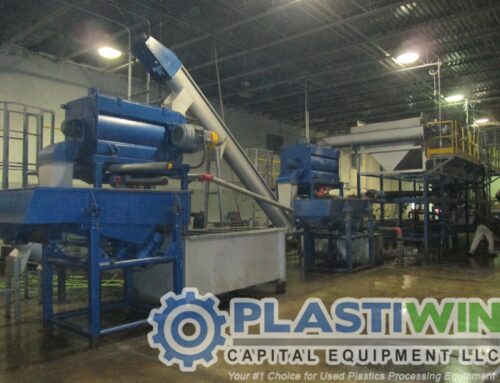
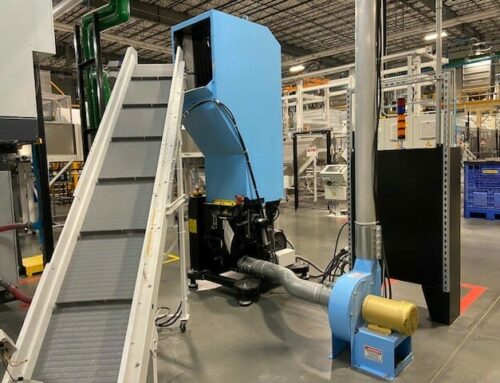
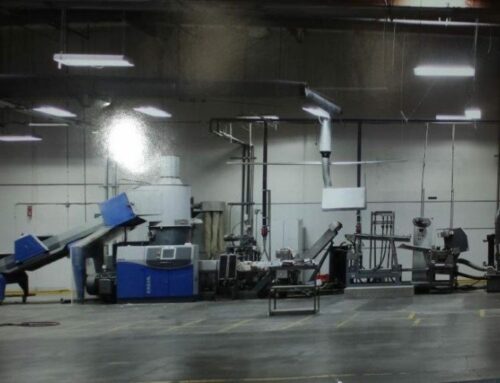
Used plastic recycling equipment is previously owned machinery available for continued use in plastics processing and recycling applications. Depending on the operation, this may include granulators (grinders), high-torque shredders, pulverizers, conveyors, densifiers, extruders, pelletizers, washing equipment, and auxiliary scrap handling systems.
The right machine depends on the material being processed and the intended application.
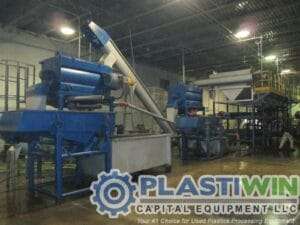
For example, a manufacturer processing clean production scrap may need a granulator to produce reusable regrind, while an operation handling large or bulky plastic components may require a high-torque shredder for initial size reduction.
The important consideration is how the machine fits into the entire production process, not simply whether the equipment is available at an attractive price.
Why Do Manufacturers Consider Used Recycling Equipment?
What Are Some Prominent Used Plastic Recycling Equipment Brands?
How to Source Reliable Used Plastic Recycling Equipment
Finding the right equipment starts with gathering enough information to determine whether a machine is worth evaluating.
Why Do Plastic Plants Struggle to Source Reliable Used Recycling Equipment?
Sourcing used machinery directly from closing facilities or unverified sellers carries risk. Two machines of the same model and age can have vastly different remaining useful lives depending on previous resins, maintenance history, and operating environment.
Common sourcing challenges include:
- Incomplete maintenance records
- Unverified operating hours
- Unknown previous applications
- Worn cutting components
- Obsolete electrical or control systems
- Difficult-to-source replacement parts
- Missing accessories or support equipment
- Undocumented modifications
- Unclear equipment condition
- Limited opportunities for material testing
That is why buyers should investigate the machine’s history, specifications, condition, and included components before negotiating based solely on price.
What Information Should You Request From a Seller?
Before making an offer, document:
- Manufacturer and model
- Serial number
- Year of manufacture
- Motor horsepower
- Electrical requirements
- Machine dimensions
- Operating hours, if available
- Previous application
- Materials processed
- Maintenance history
- Recent repairs
- Included components
- Available manuals and drawings
- Replacement parts or accessories included with the sale
Request photographs of the nameplate, electrical panel, major mechanical components, wear parts, and any included support equipment.
Also confirm what is not included.
A recycling machine may require conveyors, metal detection, blowers, pumps, blades, knives, controls, magnets, dust collection, hydraulic equipment, or other components to operate as intended. Understanding the complete scope of the sale prevents unexpected costs later.
How to Evaluate Used Plastic Recycling Equipment
Before potential equipment has been identified, evaluate each machine against the actual production requirements.
Evaluate the Machine’s Application
Start with the material the machine will process.
Consider:
- Material type
- Feed size
- Material density
- Contamination
- Moisture
- Required throughput
- Desired output size
- Operating schedule
A machine that worked successfully in another facility is not automatically suitable for a different application.
The equipment should be capable of handling the intended material and producing the required output at a practical production rate.
For manufacturers looking specifically for used plastic size reduction equipment, reviewing equipment by application and machine type can help narrow the options before purchase.
Evaluate Mechanical Condition
Inspect the frame, welds, mounting points, shafts, couplings, belts, bearings, gearboxes, hydraulic components, guards, and other major mechanical systems.
Look for:
- Cracks
- Corrosion
- Excessive wear
- Oil leaks
- Damaged mounts
- Improvised repairs
- Missing hardware
- Signs of overheating
- Evidence of impact or other damage
A clean exterior does not necessarily indicate good internal condition. Major components should be inspected according to the machine type and its operating history.
Evaluate Electrical and Control Systems
Older equipment may have control components that are difficult or expensive to replace.
Check:
- Motor specifications
- Voltage and phase requirements
- Wiring condition
- Control panels
- Drives and starters
- PLCs
- HMIs
- Sensors
- Emergency stops
- Interlocks
- Overload protection
Determine whether critical electrical and control components are still supported.
A mechanically sound machine may become a difficult investment if its controls depend on obsolete or proprietary components.
How to Inspect Used Grinders and Shredders
Conduct a Material Trial When Possible
A representative material trial can reveal issues that are difficult to identify through a visual inspection. But know that it may cost money to run a trial.
When safe and practical, test the machine using material similar to what the buyer intends to process.
Observe:
- Throughput
- Motor current
- Vibration
- Temperature
- Noise
- Jams
- Alarms
- Overload events
- Output consistency
- Particle size
- Operator intervention
Avoid relying exclusively on the manufacturer’s original capacity rating. Actual performance depends on material characteristics, machine condition, configuration, and operating conditions.
How to Calculate the Real Cost of Used Equipment
The purchase price should not be treated as the final investment amount.
Estimate:
- Equipment purchase price
- Inspection costs
- Rigging
- Transportation
- Storage
- Installation
- Electrical work
- Controls integration
- Safety modifications
- Commissioning
- Operator training
- Initial maintenance
- Replacement parts
This produces a more realistic landed-and-running cost.
A used machine may still provide excellent value after these costs are included. The important point is to compare equipment based on what it will actually cost to make the machine productive and dependable.
When Does Buying Used Make Sense?
Used plastic recycling equipment can make sense when the machine:
- Fits the intended application
- Has a reasonably verifiable history
- Is in suitable mechanical and electrical condition
- Has available replacement parts
- Can meet required production rates
- Can be safely integrated into the facility
- Can be inspected or tested
- Has a reasonable total cost after repairs and installation
- Buyer has procured a consistent feedstock of material
Used equipment may be particularly practical for secondary applications, additional capacity, backup production, or situations where a new machine would require a substantially larger capital investment.
When Should You Consider New Equipment?
New equipment may be preferable when reliability, warranty coverage, automation, documentation, or specialized configuration is especially important.
Consider new equipment when:
- The application is highly specialized
- The required configuration is difficult to find used
- The operation cannot tolerate significant downtime
- Current-generation controls are required
- Replacement parts for used alternatives are difficult to obtain
- The used machine requires extensive refurbishment
- The total cost difference between used and new equipment is relatively small
The objective is not to buy used equipment at any cost. It is to select the option that provides the best combination of performance, reliability, risk, and total cost.